At a time when everything moves fast — trains, planes, our days, our thoughts — a deep desire is emerging among more and more travelers: to slow down. To take time. To reconnect with what truly matters. That’s where slow tourism comes in. More than a trend, it’s a travel philosophy — a way to (re)discover the world at a different pace, your own.
So, what exactly is slow tourism?
As the name suggests, slow tourism is the art of traveling slowly. It’s about immersing yourself deeply in a place — its culture, its landscapes, and above all… its people.
Instead of checking off landmarks in rapid succession or jumping from one destination to the next, you choose to stay longer in one place, to savor the moment, to let yourself be carried by the rhythm of life.
It’s the opposite of the rushed “all-inclusive” or the frantic road trip. Here, you travel to feel, not to consume.
A human experience above all
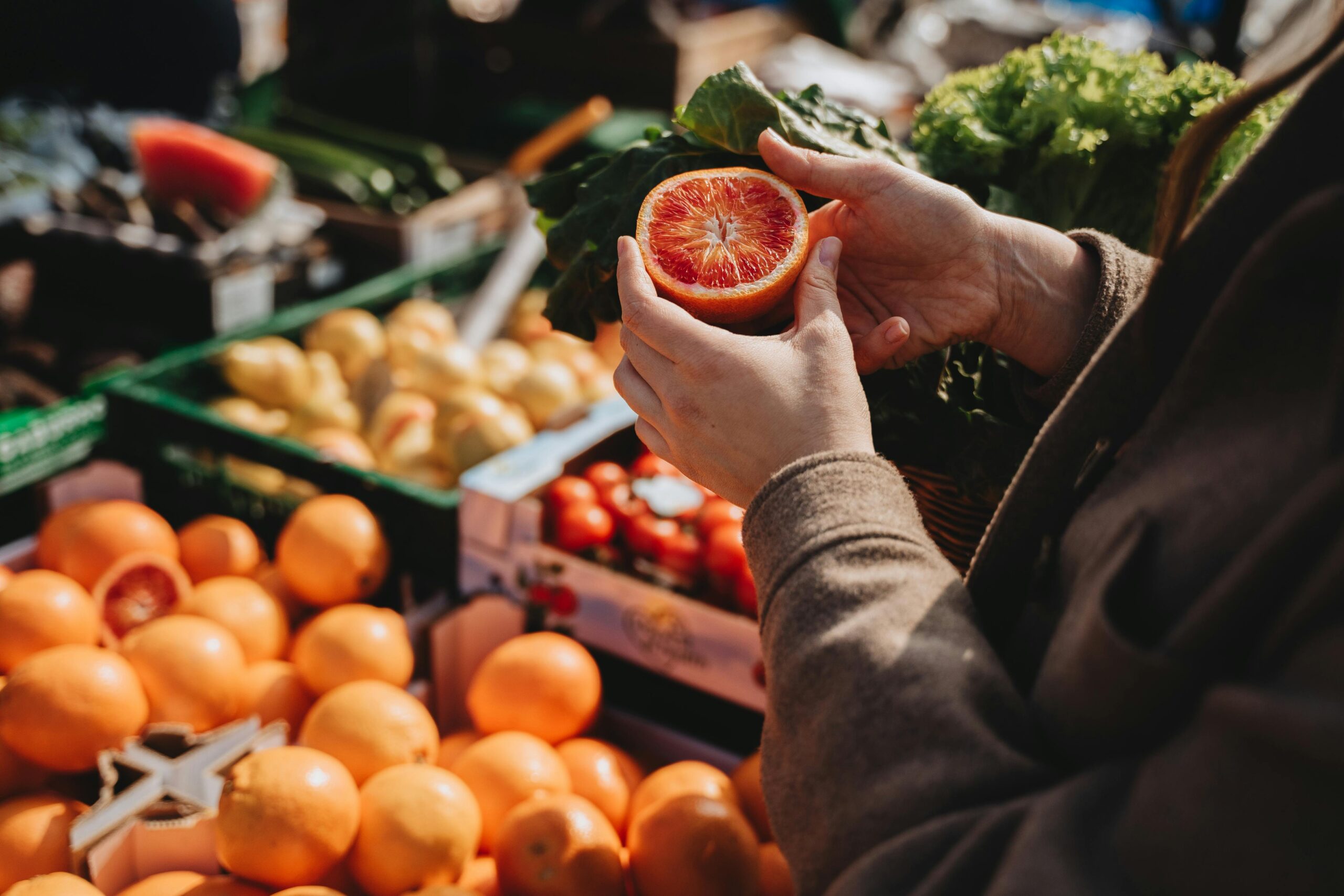
Traveling slowly also means meeting people. Faces, smiles, stories. It’s chatting with a weaver at the local market, learning to cook a traditional dish with a family, walking alongside a passionate guide who speaks of their mountain like an old friend.
Slow tourism brings the human connection back to the heart of the journey. You’re no longer just a visitor passing through — you’re a guest taking the time to listen, to understand, to exchange. And often, it’s these simple, sincere moments that create the most meaningful memories.
Not further, but deeper
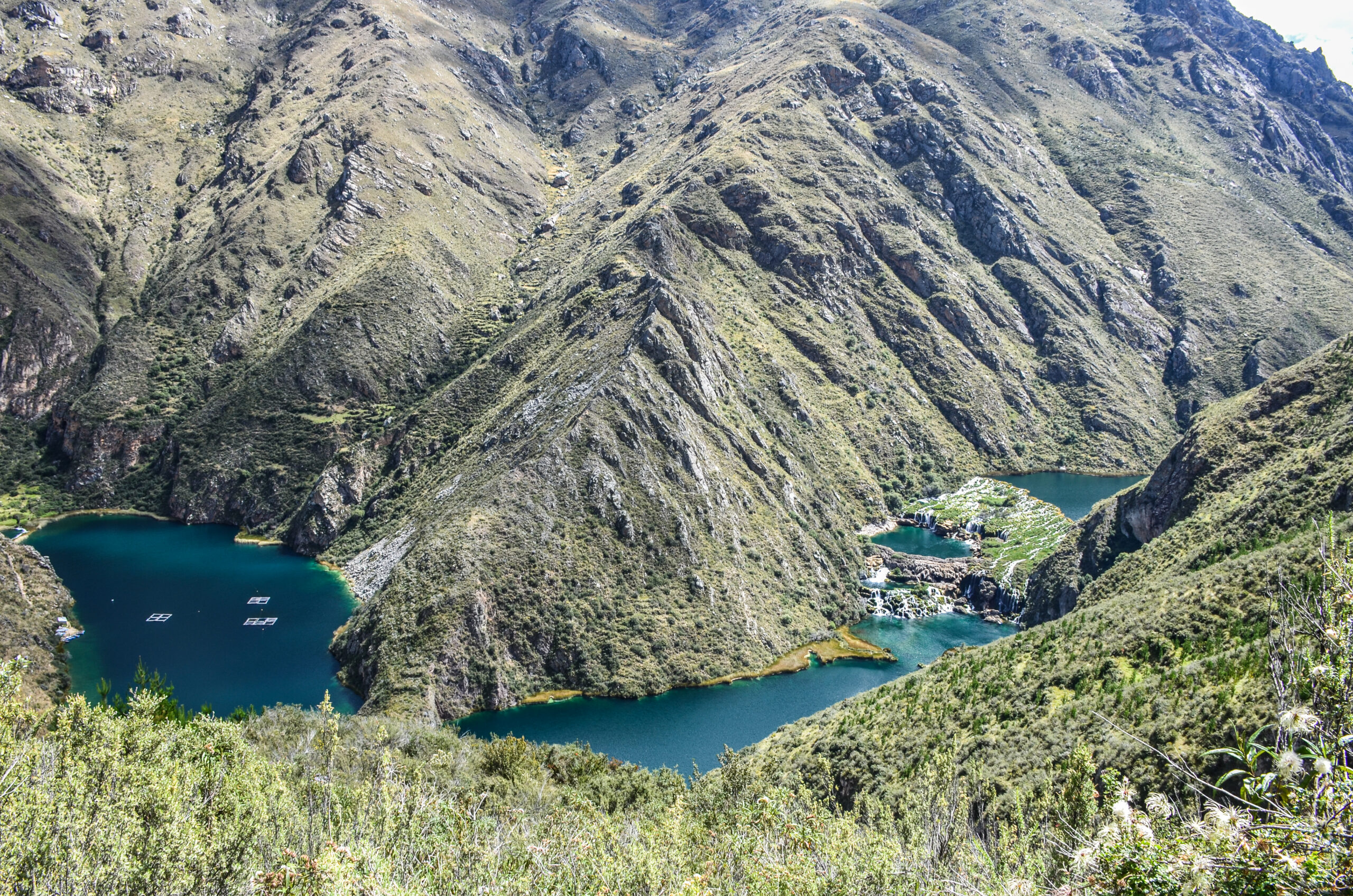
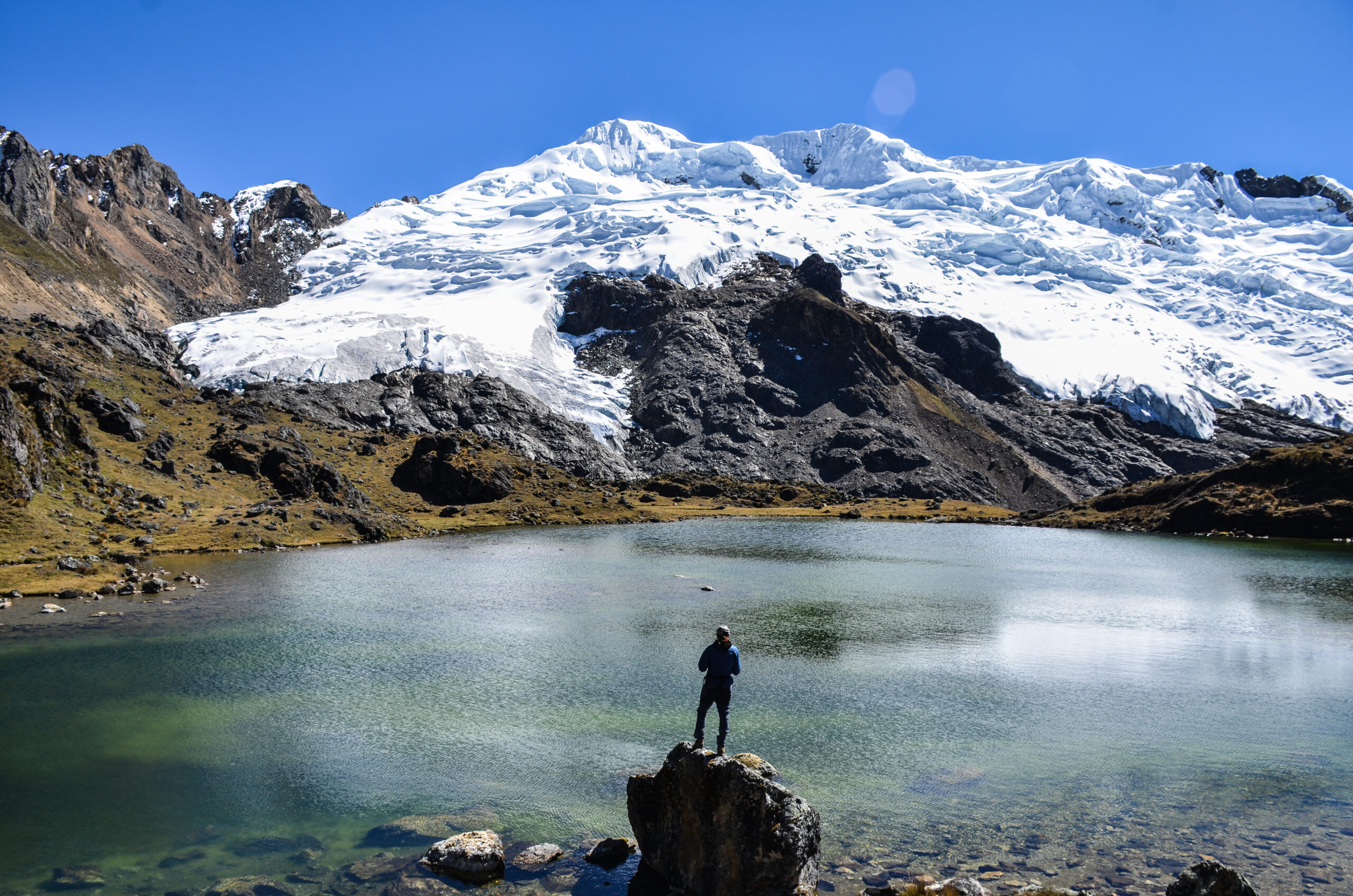
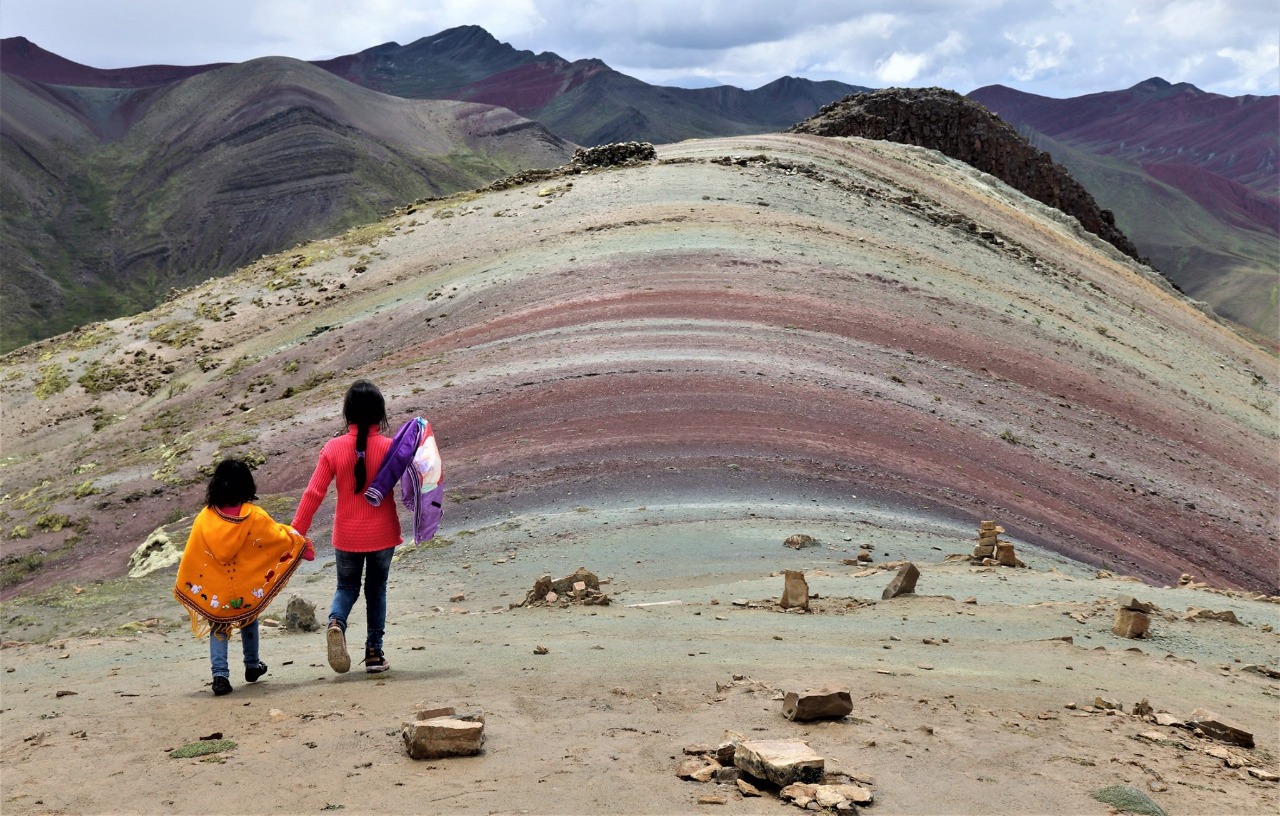
You don’t need to cross the planet to have a memorable adventure. Slow tourism also encourages us to rethink our idea of distance: what if escape could be found just next door?
An unknown village, a forgotten trail, a region you thought you already knew… Sometimes, all it takes is a fresh perspective to rediscover the beauty of a place.
And then, traveling slowly also means traveling more sustainably. By reducing polluting transportation, choosing local accommodations, and consuming locally, you help protect the planet — and respect those who call it home.
How to embrace slow tourism?
Good news: you don’t need to be an expert or change everything overnight. All it takes are a few simple and sincere choices to slow things down:
Choose gentle forms of transport
Walking along a forgotten path, biking between two villages, or hopping on a small local train… it’s often on these quiet routes that the best memories are made.
Picture yourself cycling through the Sacred Valley, surrounded by golden cornfields and towering mountains. You breathe in the fresh air, pause to admire terraced fields, or chat with a farmer who shows you a shortcut to Maras. It’s not just a ride — it’s already an adventure in itself.
Stay with locals or in eco-friendly guesthouses
Sleeping in someone’s home is much more than just a bed for the night — it’s an immersion into another life, another story.
In Huayopata, for instance, you can stay with Julia, a warm and passionate woman who grows her own tropical fruits. She welcomes you with a glass of fresh granadilla juice, shares her homegrown coffee, and speaks about her region with stars in her eyes. The next day, you leave lighter in spirit, a little richer in humanity, and ready for the road to Machu Picchu.
Eat local, discover regional flavors
Travel also happens through food. Far from standardized dishes, you’ll discover authentic flavors full of soul and history.
Picture yourself seated at a small picantería, enjoying a creamy, slightly spicy ají de gallina, or a freshly baked rocoto relleno. Maybe you’re trying crispy cuy while the cook explains how she learned the recipe from her grandmother. Here, every bite is a story shared.
Take time to get lost, to wander
What if you ditched the plan altogether? What if you simply followed your curiosity?
One day in Cusco, with no schedule in mind, you take a random alley. You stumble upon a small artisan market where weavers laugh among themselves, pause to listen to a musician playing the charango, and sit on a bench with a helado de lúcuma, just watching life go by.
These are the moments that make your heart beat faster.
Accept that you won’t see everything — and that’s perfectly fine
Slow tourism also means making peace with the idea that you won’t check off everything on the map, that you’ll leave some mystery. And you know what? That’s exactly what makes you want to return.
Instead of rushing through museums, you spend an afternoon in a small village, talking to a local craftsman or helping harvest coca leaves. You might not “see it all,” but you’ll experience something unique and deeply true. And that’s the real luxury of travel.
In conclusion: what if time itself was the new luxury?
In a world that glorifies speed, choosing to slow down is a powerful act. It’s a way to reconnect with yourself, with others, and with nature. It’s about making travel a deep breath — a pause full of calm and wonder.
Slow tourism is a gentle invitation to experience rather than just visit. To feel rather than consume. And maybe, to return home with something more precious than a souvenir:
a true moment of life.