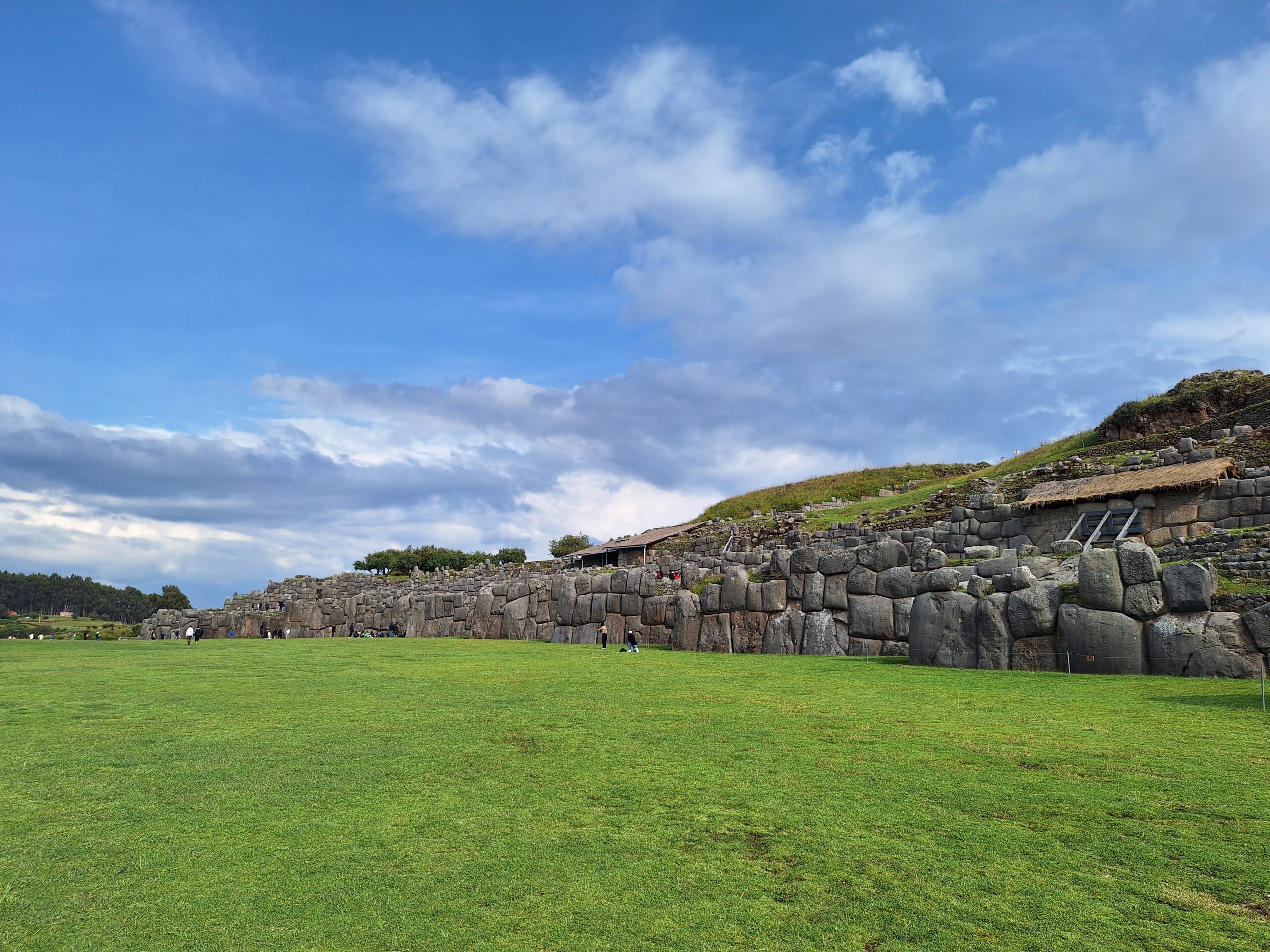
Just outside Cusco, on a hill overlooking the entire city, lies the impressive archaeological site of Sacsayhuamán. For many years, it has amazed visitors with the enormous size of its stones, the perfection of their assembly, and the mysteries of its construction. When you arrive, you quickly understand why this place is one of the most powerful symbols of the Inca civilization. Located at 3,700 meters above sea level, the site offers an incredible view of the city. The ruins visible today are unfortunately only a small part of what originally existed. According to old Spanish texts, Sacsayhuamán was much larger, with towers and plazas. After the conquest, the Spaniards destroyed much of the walls to build churches and houses in Cusco using those stones.
An incredible achievement for its time
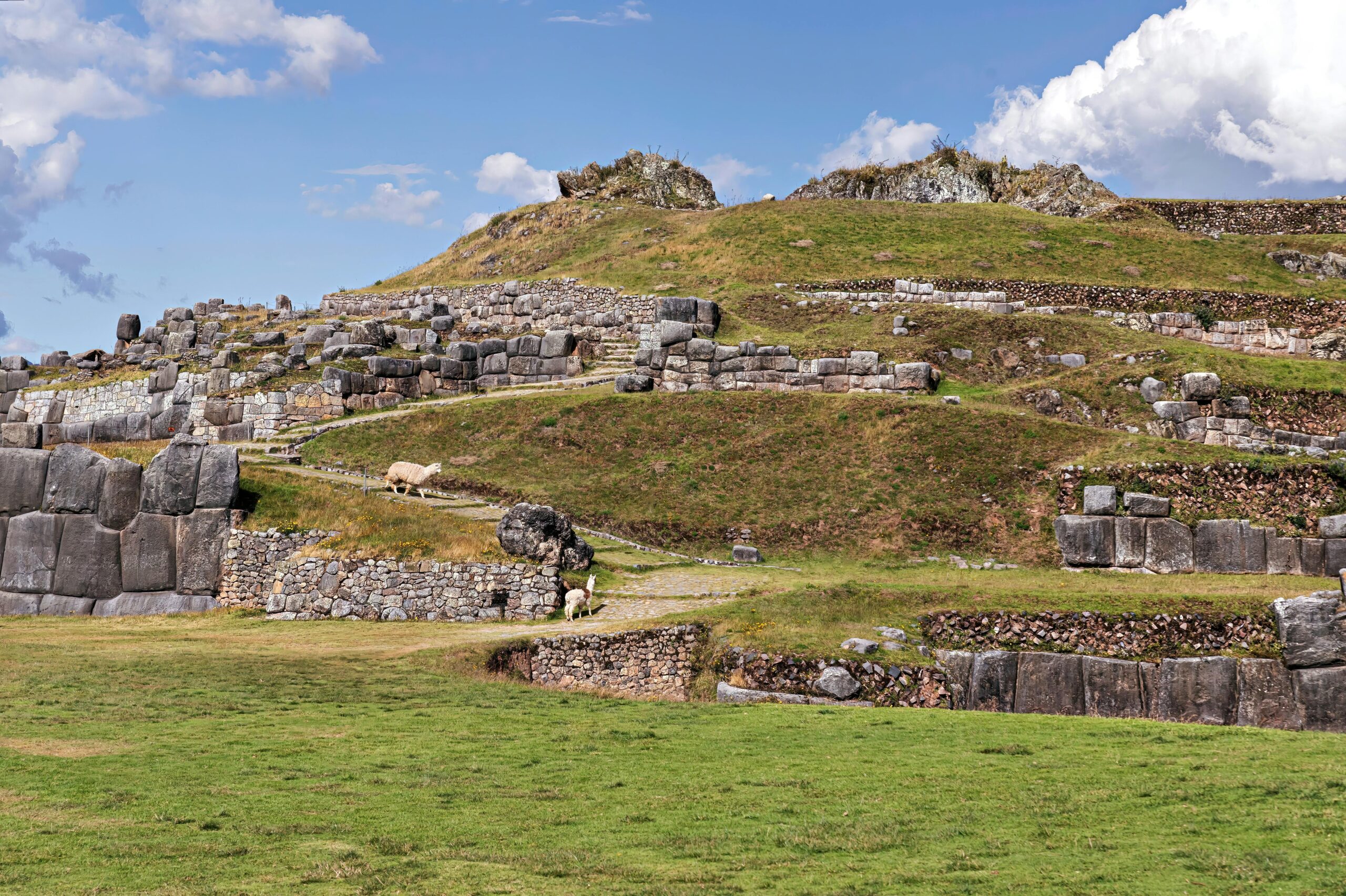
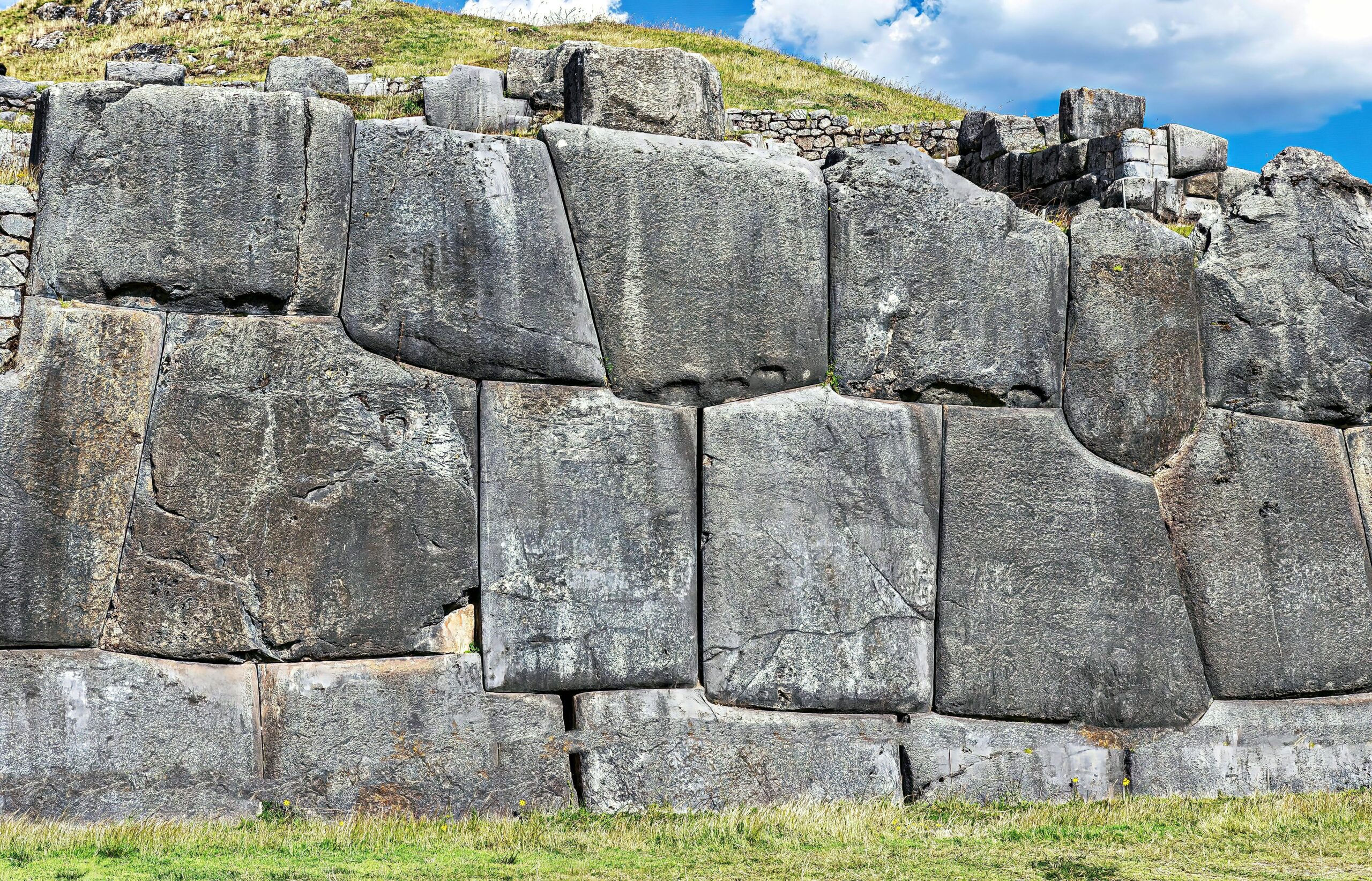
The construction of Sacsayhuamán remains a mystery for scientists. The stones, sometimes over four meters tall and weighing dozens of tons, were carved and fitted with perfect precision. In fact, the Incas did not use cement but instead shaped each block so that it would fit perfectly with the others. It is still unknown exactly how they transported these stones from quarries, sometimes located several kilometers from Cusco, or how they managed to place them with such precision. It is believed that thousands of workers labored for several decades to build this place.
As with all Inca sites, the location of Sacsayhuamán was not chosen by chance. Positioned high up, it allowed for surveillance of the entire valley and protection of Cusco’s northern entrance. From the walls, one could see visitors or armies approaching. However, the site was not only military in purpose. It also served as a sacred place for important ceremonies related to the Sun god, the cycle of the seasons, and the life of the empire.
Between legends and traditions
Walking between the zigzagging walls gives a strange sensation. One feels small next to these giant blocks. Their unique shape not only aided in defense but also helped resist earthquakes, which are frequent in the region. The stones still bear carving marks—some rounded, others with sharp angles—proof of the incredible skill of Inca craftsmen.
The name Sacsayhuamán means “satiated falcon” in Quechua, according to the most widely known translation. This name may refer to the site’s dominant position, like a bird watching the city from the sky. Other interpretations exist, but all highlight the link between this place and the surrounding nature. Each year in June, the site comes alive with Inti Raymi, the great Festival of the Sun. Hundreds of actors in traditional costumes reenact Inca ceremonies before thousands of spectators.
An unforgettable visit
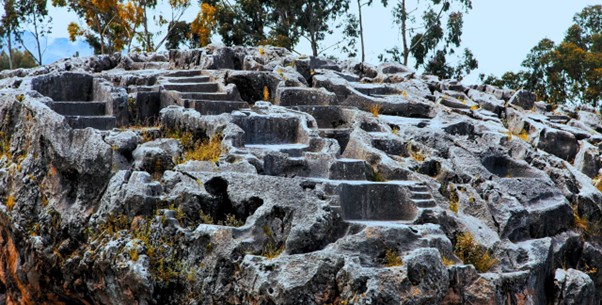
Beyond the walls, there are other things to see at the site. You can explore terraces, stairways carved into the rock, and a stone throne sometimes called the “Inca’s throne.” Further on, there are also natural rock slides known as the Inca slides, which children and even some adults still use for fun.
The view from Sacsayhuamán is breathtaking. You can see Cusco’s cathedral, the city’s red rooftops, and the mountains surrounding it. It is easy to understand why the Incas liked to build in high places.
To visit the site, you need to purchase the Cusco Tourist Ticket, which also gives access to other locations in the region. You can walk there from the center, climbing the cobbled streets, or take a taxi if you want to avoid the effort caused by the altitude.
Sacsayhuamán is not just a relic of the past—it is a living place thanks to traditions and visitors from around the world. It stands as a reminder of the Incas’ strength and intelligence, but also the fragility of their heritage. Visiting it is to immerse yourself in Cusco’s history and feel a connection with the ancient empire.