In the heart of Cusco, a sacred city of the Andes and former capital of the Inca Empire, lies a fascinating place where two worlds intertwine: that of the Incas and that of the conquistadors. Qorikancha, or Temple of the Sun, is a powerful testimony to this encounter, sometimes brutal, between civilizations. It is one of the most symbolic sites and represents the most sacred place of the Inca Empire. Qorikancha is located in the center of the city, at the intersection of Avenida El Sol and Santo Domingo Street, just a few steps from the Plaza de Armas.
The Temple of the Sun is open from Monday to Saturday from 9:00 a.m. to 5:00 p.m., and on Sundays from 2:00 p.m. to 5:00 p.m. The general admission fee is 15 soles for both foreign and national tourists.
A sacred sanctuary covered in gold
Before the arrival of the Spaniards, Qorikancha was the spiritual center of the Inca Empire, dedicated to Inti, the Sun god, protector of the sovereigns and guarantor of cosmic harmony. The word “Qorikancha” comes from the Quechua quri (gold) and kancha (enclosure, wall). It is said that the walls of the temple were covered with gold plates, and that golden statues representing celestial bodies adorned its gardens. The Incas observed celestial movements there, performed sacred rituals, and aligned their world with the cosmos. Qorikancha was a place of both spiritual and political power, connected to other sanctuaries through a system of sacred lines called ceques. The ceque system was composed of 41 imaginary lines, along which 328 huacas (sacred places) were distributed throughout the Tahuantinsuyu. This meticulous structure allowed the Incas to exercise centralized and efficient control over their entire territory from Cusco.
The other sanctuaries
This place, in addition to housing the Temple of the Sun, also includes four other complexes of small temples dedicated to different deities: the goddess Killa, the Moon; the god Illapa, the thunder; the god K’uychi, the rainbow; and the goddess Chack’a, the star.
The Temple of the Moon
This temple was located very close to the Temple of the Sun, as the Moon was considered his wife. The building was covered with silver plates, and inside it housed a silver representation of the Moon. The mummies of the Coyas (wives of the Incas) were also kept there, arranged according to their seniority. Approximately half of this temple was destroyed by the Spaniards to build the nave of the Church of Santo Domingo. Today, it occupies part of the west side of the inner courtyard of Qorikancha.
The Temple of Venus and the Stars
Located near the Temple of the Moon, but separated by a beautiful alleyway, this temple was dedicated to Venus, the Pleiades (the Seven Sisters), and all the other stars. Venus was called Chaska by the Incas, which means “star.” It was in this place that the Inca would come to be deified or to attend ceremonies and sacrifices held in the rectangular courtyard. This temple is also located on the west side of the inner courtyard of Qorikancha.
The Temple of Illapa (or Chuki Illapa)
The god Illapa, also called Chuki Illapa, represented lightning, thunder, and rain. This temple is located across from the Temple of Venus. It has three doors with simple lintels, evenly spaced and slightly trapezoidal, as well as a window on each side wall.
The Temple of K’uychi, or Temple of the Rainbow
This temple was dedicated to K’uychi, the Rainbow, considered by the Incas as an emanation of the Sun. It shares the same architectural features as the Temple of Illapa. It is located to the north of the Temple of Illapa, across from the Temple of the Moon, on the east side of the inner courtyard of Qorikancha.
Inca architecture beneath a colonial convent
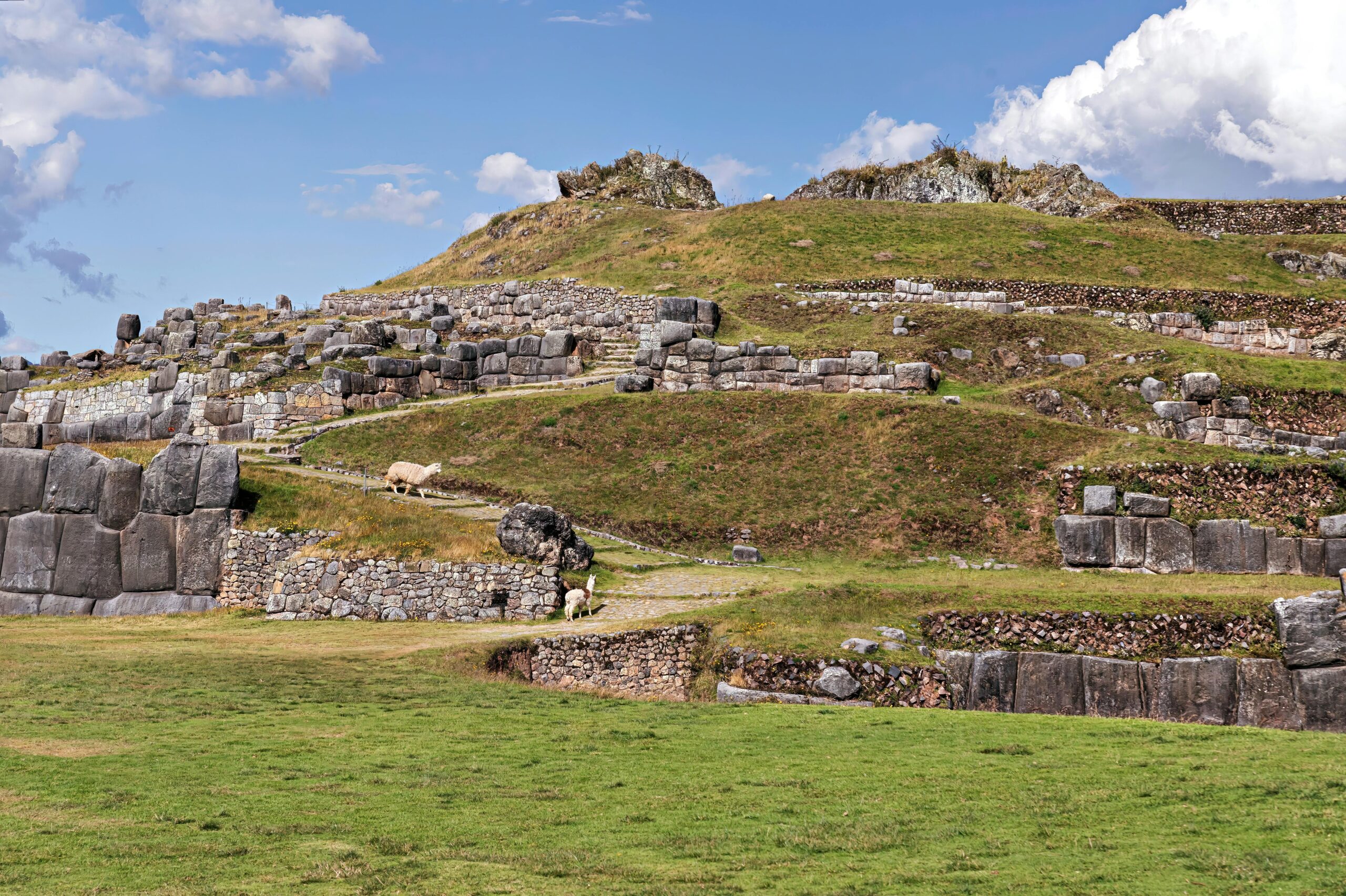
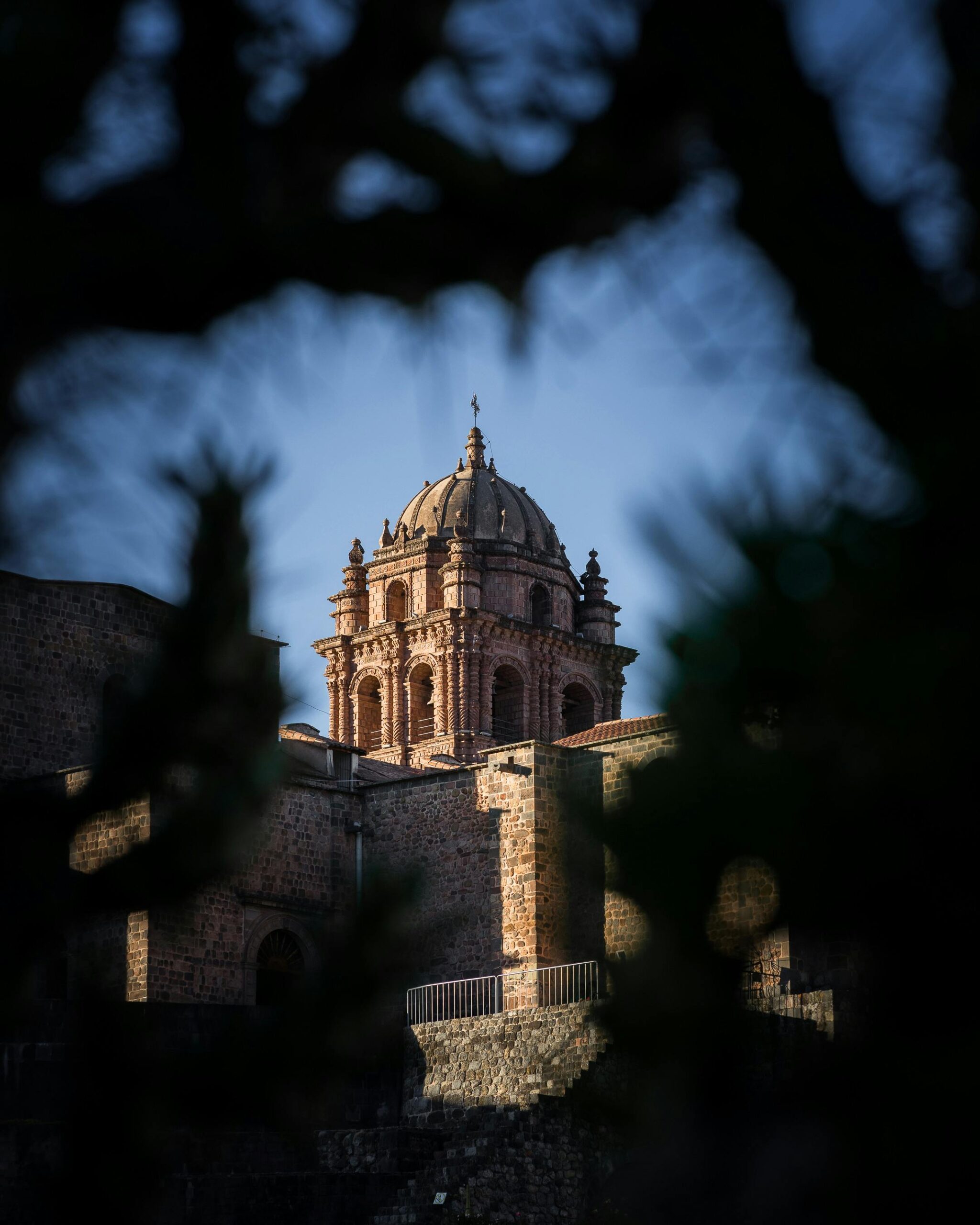
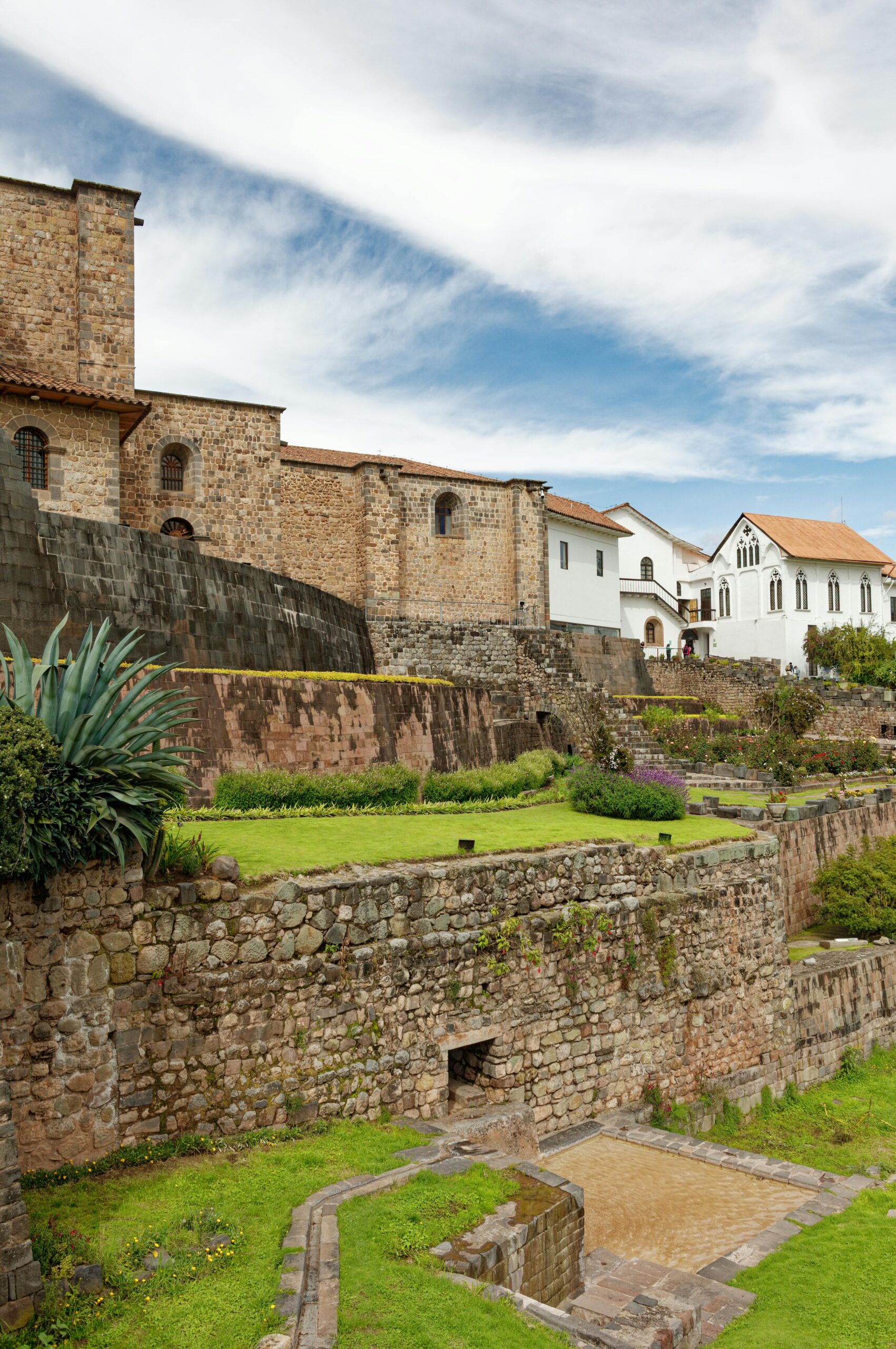
When the Spaniards conquered Cusco, they were struck by the beauty and precision of the temple. Qorikancha was completely looted and destroyed. The gold plates that adorned its walls were stripped off, and the mummies of the ancient Inca rulers were desecrated. Only its solid foundations survived, upon which the Church and Convent of Santo Domingo were later built. This act marks the clash between two worlds, but also their forced coexistence. Today, when visiting the site, you can admire the incredibly solid Inca foundations, with their perfectly fitted stone blocks, topped by baroque and colonial elements. This visual contrast is striking. It tells, in itself, a story of centuries of domination, resistance, and syncretism.
A visit full of meaning
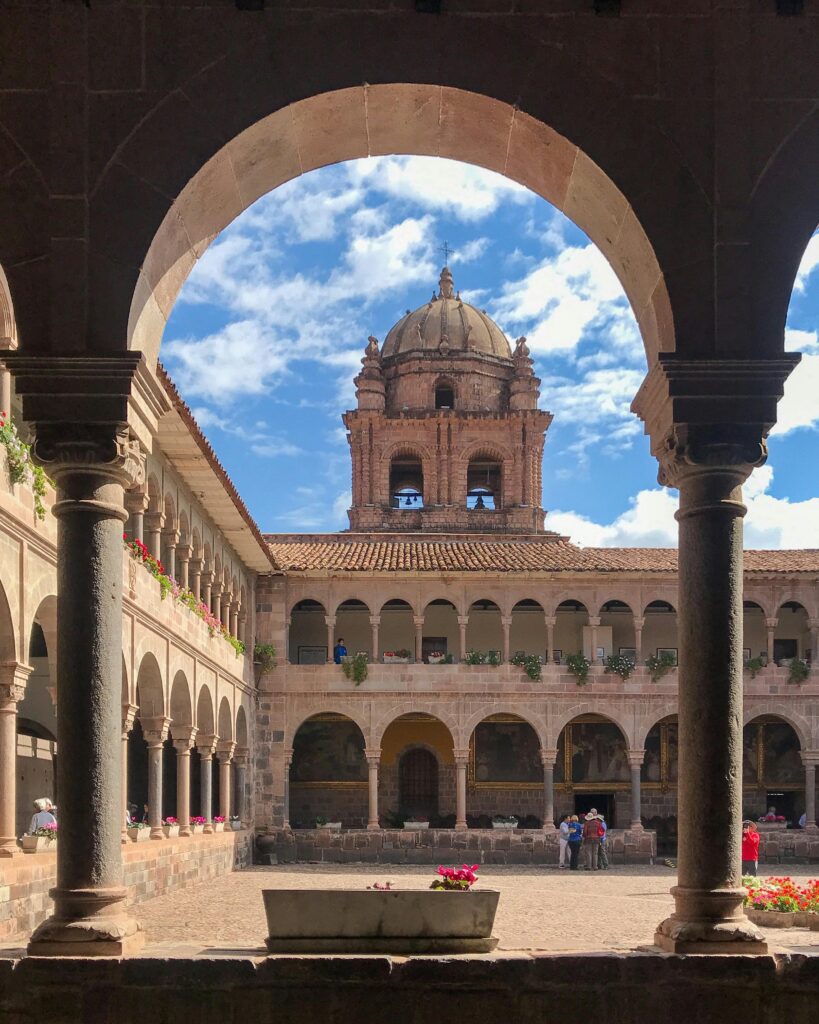
Exploring Qorikancha is walking through a living place. By taking the time to observe, you can notice the details: the niches in the walls, the alignment of the doors, the trapezoidal windows designed to withstand earthquakes, or the irrigation channels for the ceremonial gardens. The interior rooms now house a small museum, with archaeological objects, models, and reconstructions that allow you to better understand how the Inca temple functioned.
Our tips for a different kind of visit
Come early in the morning or late in the afternoon, when the atmosphere is calmer. Take a moment to sit in the garden and imagine the temple as it was in Inca times. Read or listen to the stories related to this place, every stone has a story. Finally, if possible, visit with a local guide to learn more about this heritage.
For more tips or excursion ideas, find us on our social media!