In the heart of Cusco’s bohemian neighborhood, the San Blas market offers a true immersion into Andean authenticity, a vibrant place where local culture, human connection, and craftsmanship come together.
Founded in 1969, this market has, over its 56 years of existence, become a traditional institution at the heart of its community.
Housed in a solid and sustainable structure, it now hosts 150 permanent stalls, all fully occupied and active.
A market away from the crowds
Unlike the more touristic and often crowded San Pedro Central Market, the San Blas market remains a much more intimate place.
This small market, located just a few steps from the main square of the neighborhood, attracts both local residents and curious travelers alike.
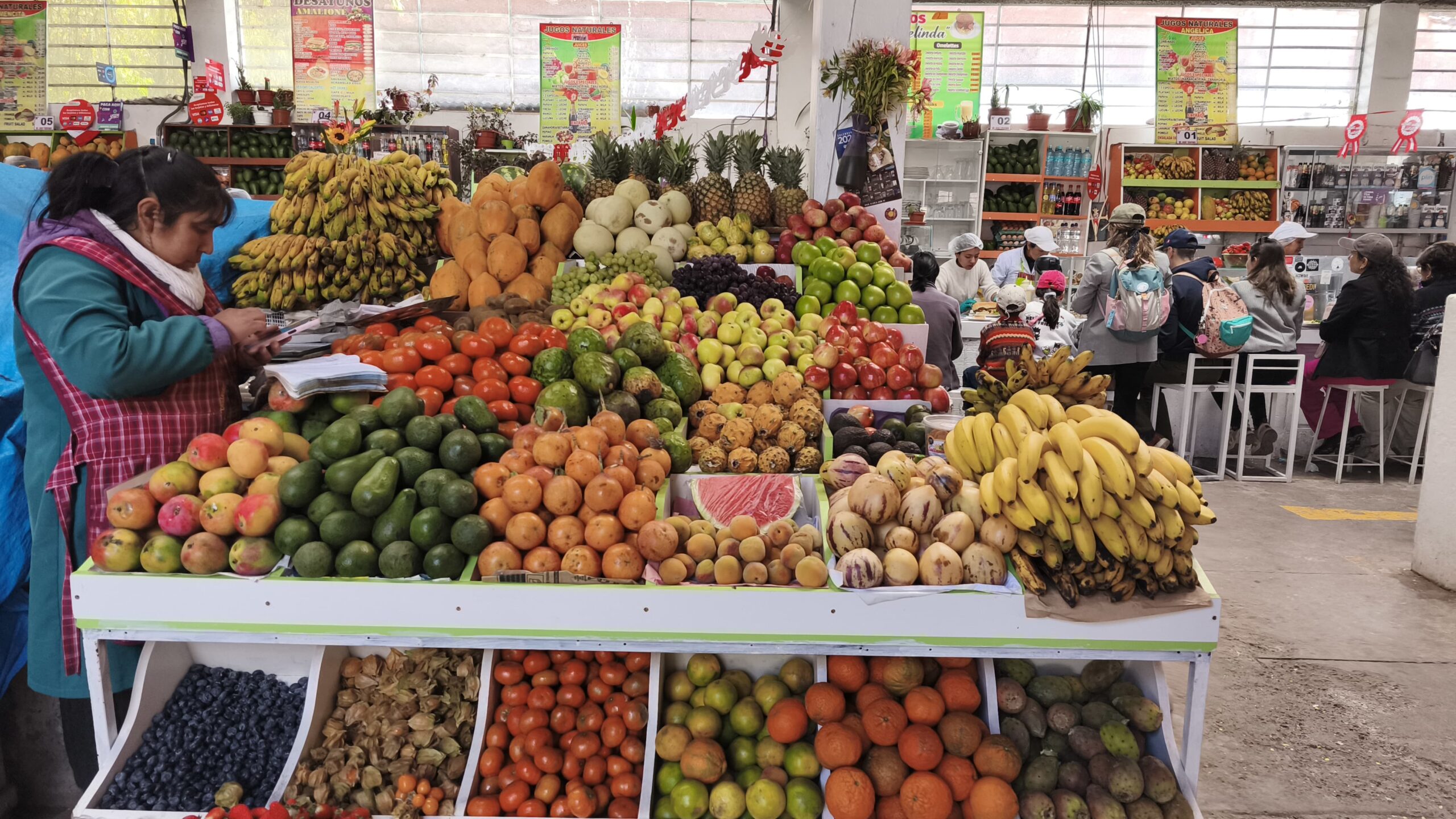
The stalls overflow with exotic fruits, artisanal cheeses, and typical local dishes prepared by the community.
A tasty break
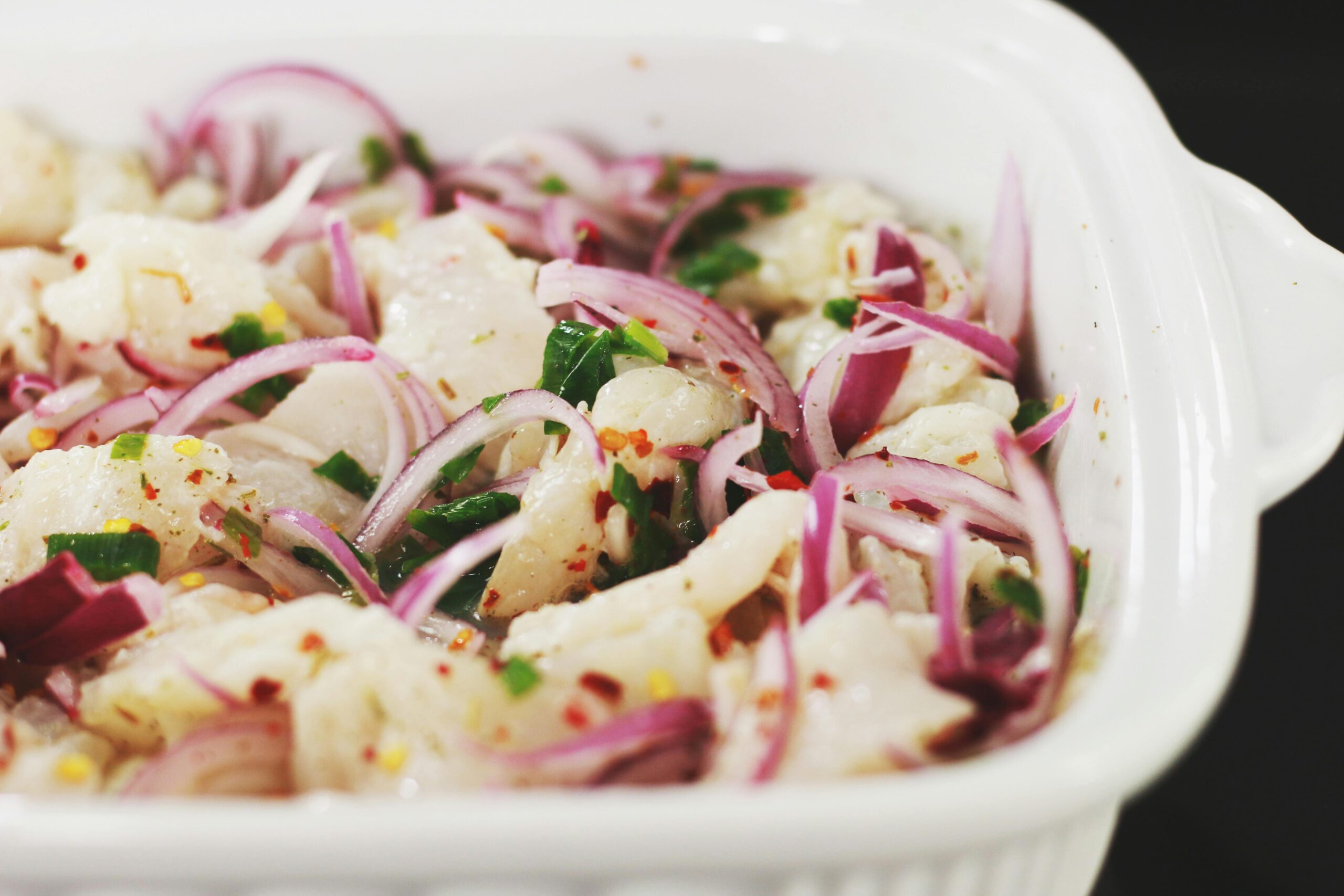
One of the great charms of San Blas market is its local food stalls. For just a few soles, you can enjoy a complete meal: a traditional soup, a main dish of the day, and a natural drink. Everything is cooked on-site in a family-style atmosphere. Customers sit side by side at long tables, sharing lunch with local people. You’ll have the chance to taste ceviche, Peru’s iconic dish, at a truly affordable price. There are also vegetarian and vegan options available.
Craving something lighter? Try a freshly pressed fruit juice, made right in front of you, or a crispy, generously filled empanada. If you’re in a hurry or prefer to eat on the go, you can even order take-away.
Craftsmanship
In the market and the surrounding streets, a few stalls showcase the work of local artists and artisans.
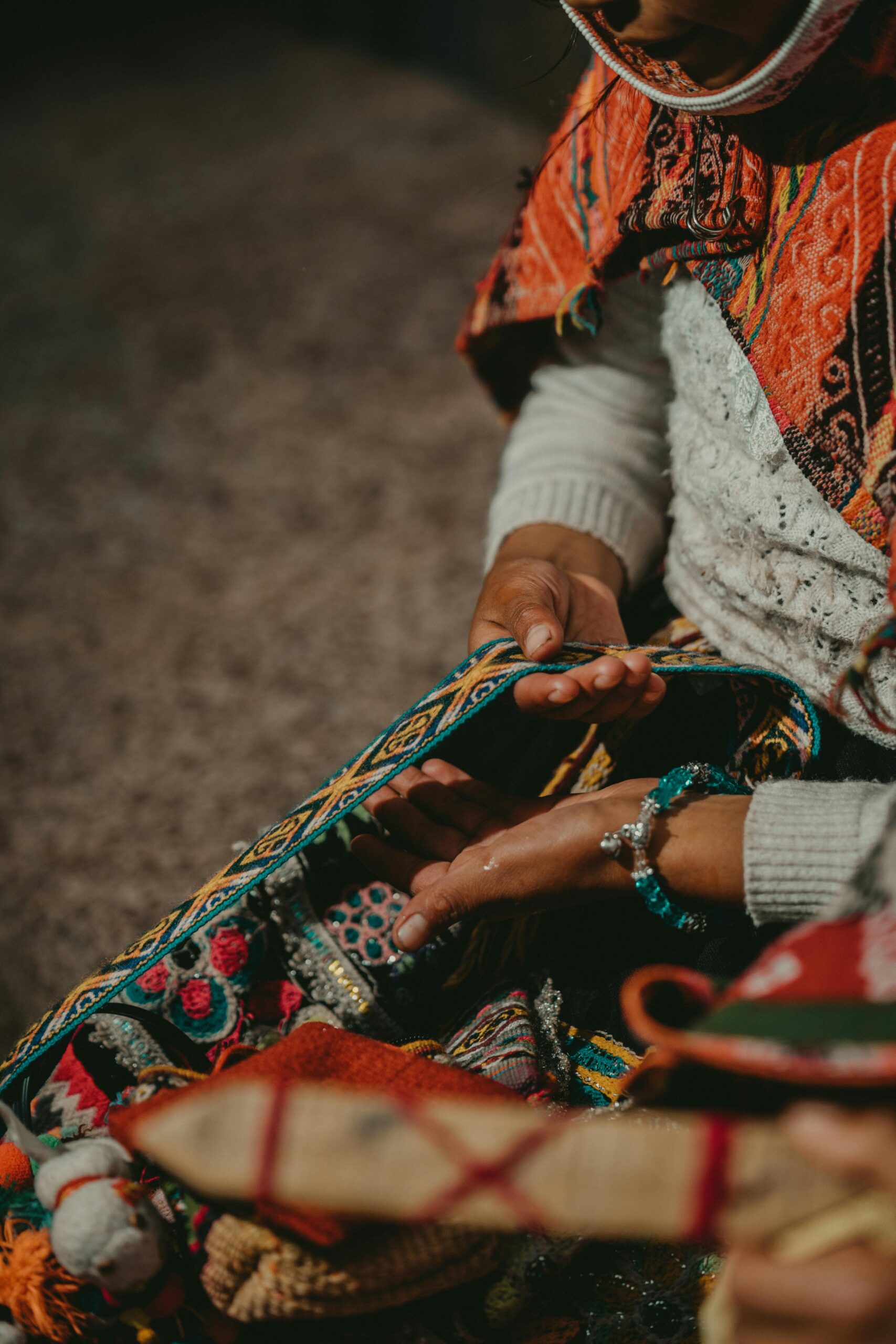
You’ll find alpaca jewelry, ceramics, traditional weavings, and paintings inspired by the Andean landscapes.
It’s the perfect place to buy a handmade souvenir while supporting the local economy.
By talking with the artisans, you’ll discover the history of their communities or even the inspiration behind their art. These meaningful exchanges make each piece feel even more special.
That said, San Blas market is still mainly known for its food, crafts are less common here than at San Pedro market.
Travel differently, by taking your time
At Escápate Slow Tourism, we believe that a meaningful journey is one lived at a human pace, where you take the time to connect, feel, and observe.
The San Blas market is a perfect example of places where life flows more slowly, but more deeply.
Our tips for exploring differently
Visit the market in the morning to discover fresh products and avoid the crowds.
Don’t hesitate to talk to the vendors, even if your Spanish isn’t perfect — interaction is always welcome.
Respect the space, take photos discreetly, and consider buying something in return.
Wander through the surrounding streets, often decorated with colorful murals and street art.
For more tips or excursion ideas, find us on our social media!